
Parents should check for natural fibers like cotton or bamboo, tagless construction, and third-party certifications such as GOTS or OEKO-TEX Standard 100. These factors minimize chemical exposure and physical irritation. This guide covers eight critical checks, from fabric composition to pre-washing protocols, helping you select safe garments for delicate infant skin. For additional details, review the Terms of service Baby.
Natural Fabrics: Cotton
Why Cotton Works for Sensitive Skin
Cotton allows air circulation, which helps regulate body temperature. This reduces the likelihood of heat rash and sweating, common triggers for skin irritation. The fiber structure of cotton is smooth, minimizing friction against delicate skin. When selecting cotton garments, look for 100% cotton labels. Blends with synthetic fibers like polyester can trap heat and moisture, exacerbating sensitivity. For additional details, review the Products Baby B s.
Quality Indicators
High-quality cotton is characterized by long-staple fibers. These fibers are stronger and softer than short-staple varieties. Look for terms like Pima cotton or Supima cotton, which denote long-staple quality. The weave density also matters. A tighter weave generally indicates higher quality and durability. Baby B's Boutique curates apparel that prioritizes comfort and quality, ensuring that the fabrics selected meet high standards for gentle wear.
Bamboo
Bamboo is a fast-growing grass that is processed into a soft, silky fabric. It is often marketed as a sustainable alternative to cotton. Bamboo fabric is naturally hypoallergenic and moisture-wicking. These properties make it an excellent choice for babies with eczema or other skin conditions. The fabric feels cool to the touch, providing relief during warm weather.
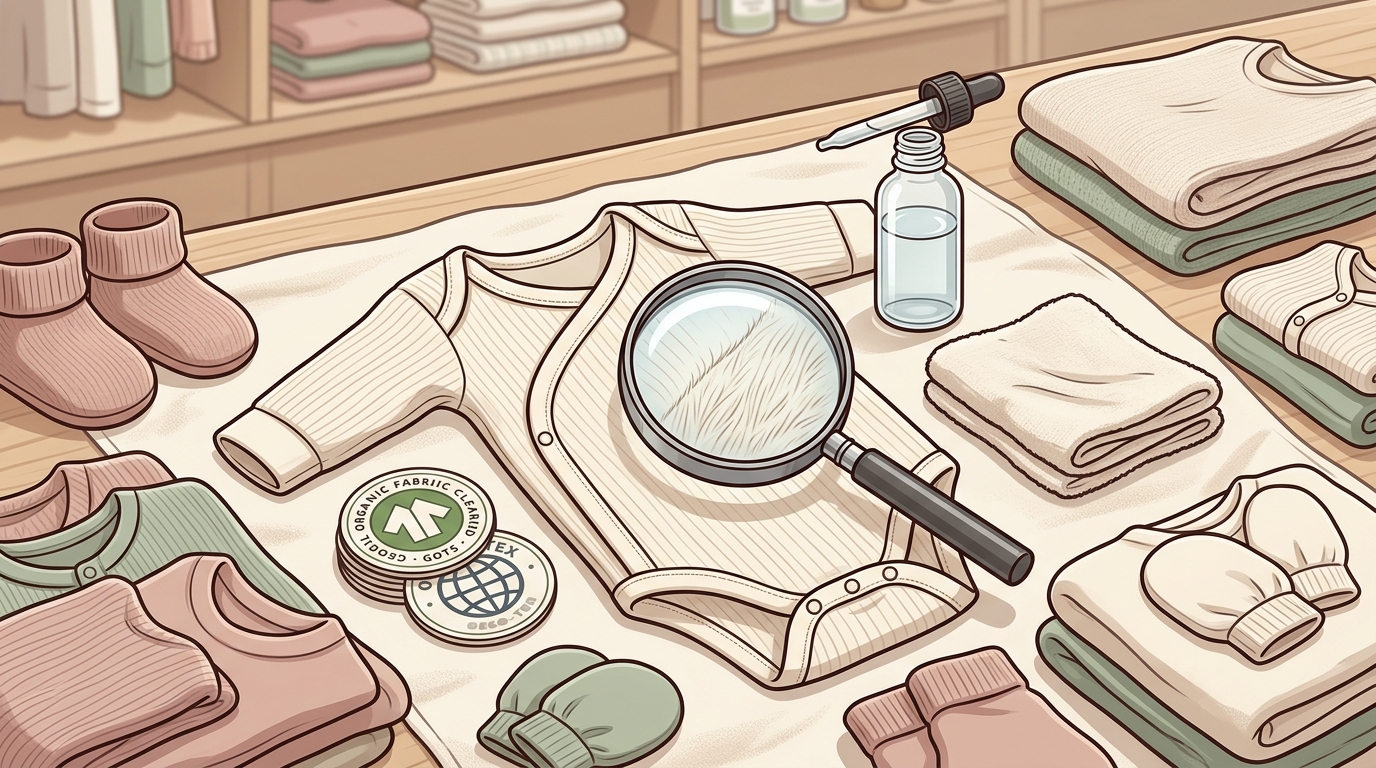
Bamboo Viscose vs. Bamboo Lyocell
Most bamboo clothing is made from bamboo viscose. This process involves chemical treatment to break down the plant into pulp. While the final product is soft, the chemical process raises environmental concerns. Bamboo lyocell is a closed-loop process that recycles solvents. It is more environmentally friendly but less common in infant apparel. Parents should check the manufacturing process if sustainability is a priority alongside skin safety.
Softness and Breathability
Bamboo fabric is significantly softer than cotton. This softness reduces friction, which is crucial for babies with compromised skin barriers. The fabric is also highly breathable, allowing moisture to evaporate quickly. This helps keep the skin dry and reduces the risk of diaper rash or heat rash. When shopping at Baby B's Boutique, you can explore a range of options that balance comfort with ethical sourcing.
Tagless Construction
Tagless construction is a manufacturing technique where size and care labels are printed directly onto the fabric instead of using sewn-in tags. Traditional tags can cause significant irritation for babies with sensitive skin. The rough edges of a tag can rub against the neck, back, or waist, leading to redness and itching. Tagless designs eliminate this physical irritant entirely.
Benefits of Printed Labels
Printed labels are flush with the fabric, creating a smooth surface. This reduces the risk of chafing and discomfort. Many parents report that their babies sleep better in tagless clothing. The absence of a tag also prevents the label from catching on other clothing or blankets. This is particularly important for active infants who roll and move frequently.
What to Look For
Check the inside of the garment for any raised seams or labels. If a tag is present, ensure it is soft and flat. Some brands use satin labels, which are smoother than standard paper or plastic tags. However, printed labels are the gold standard for sensitive skin. Baby B's Boutique emphasizes comfort in its product selection, ensuring that garments are designed with the wearer's comfort in mind.
Fabric Certifications: GOTS
The Global Organic Textile Standard (GOTS) is a leading textile processing certification for organic fibers. It covers organic farming, environmentally and socially responsible manufacturing, and fair labor practices. GOTS certification ensures that the organic content of the fiber is at least 70%. For garments labeled as 100% organic, the content must be 95% or higher.
Why GOTS Matters for Sensitive Skin
How to Verify GOTS Certification
Look for the GOTS logo on the product label or packaging. The logo includes a license number that can be verified on the GOTS website. Be wary of products that claim to be organic without certification. True organic certification requires third-party auditing. Baby B's Boutique strives to offer products that meet high standards of quality and safety, providing peace of mind for parents.
OEKO-TEX Standard 100
OEKO-TEX Standard 100 is an independent testing and certification system for textiles. It tests for harmful substances that are regulated by law or considered harmful to health. The certification is divided into four product classes, with Class I being the strictest for baby products. Class I products are tested for a wider range of substances and have lower limit values.
Scope of Testing
OEKO-TEX tests for over 350 substances, including pesticides, heavy metals, and allergenic dyes. The testing is performed on the finished textile, ensuring that the final product is safe. This is different from GOTS, which focuses on the entire supply chain. OEKO-TEX is a valuable certification for parents who want assurance that the specific garment they are buying is free from harmful chemicals.
Choosing Class I Products
When buying baby clothing, always look for the OEKO-TEX Standard 100 label. Ensure that the label specifies Product Class I. This class is designed for items in direct contact with the skin of infants and young children. The label includes a license number that can be verified on the OEKO-TEX website. Baby B's Boutique curates its selection to include items that prioritize safety and comfort for your little one.
Chemical Treatments and Dyes
Chemical treatments and dyes are used to color and finish textiles. Some dyes contain azo compounds, which can break down into aromatic amines. These amines are potentially carcinogenic and can cause allergic reactions. Formaldehyde is often used in finishing to prevent wrinkles and shrinkage. It is a known irritant and sensitizer. Parents should avoid garments with heavy chemical finishes.
Identifying Safe Dyes
Look for garments dyed with reactive dyes or natural dyes. Reactive dyes bond chemically with the fiber, reducing the likelihood of dye migration to the skin. Natural dyes are derived from plants, minerals, or insects. They are generally safer but may fade faster. Avoid garments with bright, neon colors, as these often require more intense chemical processing. Muted and earth tones are typically safer choices.
Finishing Agents
Finishing agents are applied to improve the feel or appearance of the fabric. Some finishes, such as softeners, can contain quaternary ammonium compounds. These compounds can cause skin irritation in sensitive individuals. Look for garments that are labeled as "unbleached" or "undyed" if possible. These garments have undergone less chemical processing. Baby B's Boutique offers a range of products that are designed to be gentle on the skin, minimizing the risk of irritation.
Formaldehyde
Formaldehyde is a colorless gas with a strong odor. It is used in the textile industry to make fabrics wrinkle-resistant and to fix dyes. Formaldehyde is a known human carcinogen and a potent skin irritant. Exposure to formaldehyde can cause redness, itching, and rashes. Infants are particularly vulnerable because they have a higher surface area to body weight ratio and may put their hands in their mouths.
Regulatory Limits
Many countries have regulations limiting the amount of free formaldehyde in textiles. In the European Union, the limit for Class I baby products is 16 mg/kg. In the United States, there are no specific federal limits for formaldehyde in clothing, but industry standards often align with international guidelines. Parents should be cautious when buying clothing from unknown manufacturers. Choosing certified products, such as those with OEKO-TEX or GOTS labels, ensures that formaldehyde levels are within safe limits.
Smell Test
A strong chemical smell is a red flag for high formaldehyde content. If a garment smells strongly of chemicals, it is best to avoid it. Wash the garment before first use to reduce formaldehyde levels. However, washing may not remove all formaldehyde, especially if it is bound to the fiber. Baby B's Boutique prioritizes the health and well-being of your baby, ensuring that the products offered are safe and comfortable.
Pre-Washing Protocols
Pre-washing is a critical step in preparing new baby clothing for use. New garments may contain residual chemicals, dyes, and finishes that can irritate sensitive skin. Washing removes these substances and softens the fabric. It also shrinks the garment to its final size, preventing fit issues later. Always wash new baby clothes before the first wear.
Choosing the Right Detergent
Use a mild, fragrance-free, and dye-free detergent. Standard detergents often contain fragrances, dyes, and enzymes that can irritate sensitive skin. Look for detergents labeled as "hypoallergenic" or "for sensitive skin." Avoid fabric softeners, as they can leave a residue that traps moisture and irritants. A simple rinse cycle can help remove any remaining detergent residue.
Washing Temperature and Cycle
Wash baby clothes in warm water to effectively remove chemicals and dirt. Use a gentle cycle to protect the fabric. Avoid using bleach, as it can be harsh on both the fabric and the skin. Dry the clothes in a low-heat dryer or air dry them. High heat can damage the fibers and cause shrinkage. Baby B's Boutique encourages parents to take these simple steps to ensure the safety and comfort of their baby's clothing.
Key Takeaways
- Choose natural fibers like organic cotton or bamboo for their breathability and softness.
- Opt for tagless construction to prevent physical irritation from sewn-in labels.
- Look for GOTS certification to ensure organic farming and safe processing.
- Select OEKO-TEX Standard 100 Class I products for strict chemical safety testing.
- Avoid garments with strong chemical smells, which may indicate high formaldehyde levels.
- Use mild, fragrance-free detergents and avoid fabric softeners when washing.
- Always pre-wash new baby clothing before the first wear to remove residual chemicals.
- Check for third-party certifications to verify safety claims made by manufacturers.
Frequently Asked Questions
Is organic cotton better for sensitive skin than conventional cotton?
Yes, organic cotton is generally better for sensitive skin. It is grown without synthetic pesticides and fertilizers, reducing the risk of chemical residues. Organic cotton is also often processed with fewer harsh chemicals, making it a safer choice for infants.
What is the difference between GOTS and OEKO-TEX?
GOTS certifies the entire supply chain, from farming to manufacturing, ensuring organic and ethical practices. OEKO-TEX tests the finished textile for harmful substances. Both are valuable, but GOTS focuses on sustainability and ethics, while OEKO-TEX focuses on chemical safety.
Can I use fabric softener on baby clothes?
It is best to avoid fabric softeners. They can leave a residue that traps moisture and irritants, potentially causing skin irritation. Use a mild, fragrance-free detergent instead to keep the fabric soft and safe.
How do I know if a garment contains formaldehyde?
A strong chemical smell is a common indicator of high formaldehyde levels. You can also look for certifications like OEKO-TEX Standard 100, which tests for formaldehyde and ensures it is within safe limits.
Is bamboo fabric safe for babies with eczema?
Bamboo fabric is often safe for babies with eczema due to its softness and moisture-wicking properties. However, individual reactions can vary. It is recommended to test a small area of the fabric against the skin before full use.
How many times should I wash new baby clothes?
Wash new baby clothes at least once before the first wear. This removes residual chemicals and dyes. If the garment has a strong smell, you may want to wash it twice to ensure all irritants are removed.
Conclusion
Selecting the right clothing for a baby with sensitive skin requires attention to detail. By focusing on natural fibers, tagless construction, and third-party certifications, parents can minimize the risk of irritation. Always pre-wash new garments and use gentle detergents. Baby B's Boutique is dedicated to providing high-quality, comfortable apparel that meets the needs of modern families. Explore our curated collection to find the perfect items for your little one.