
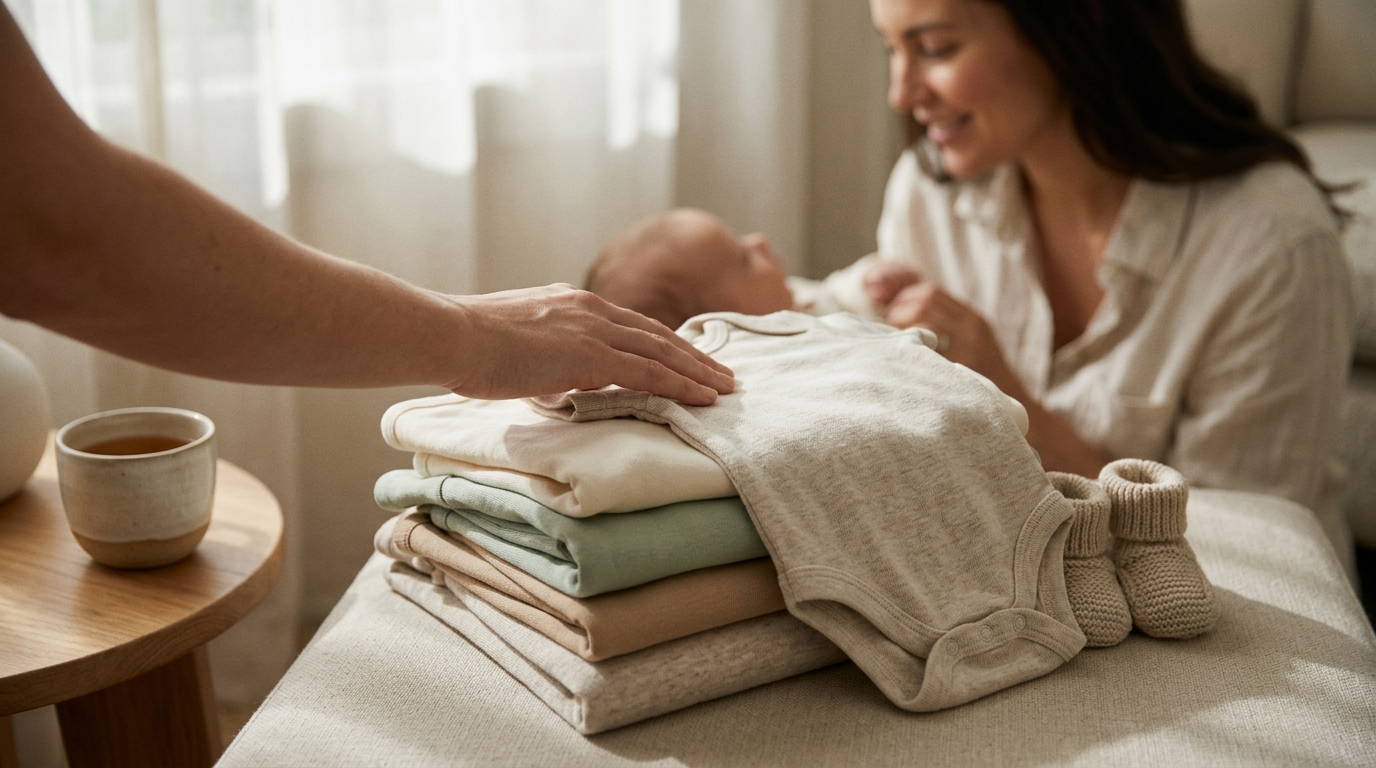
Parents should check for natural fibers like cotton or bamboo, look for OEKO-TEX or GOTS certifications, and verify the absence of harsh chemical treatments. This guide covers essential fabric checks, certification standards, and washing protocols to protect delicate infant skin. For additional details, review the Baby B s Boutique.
Natural Fabrics: Cotton
Bamboo Fibers
Bamboo viscose is a semi-synthetic fiber made from bamboo pulp. It is often marketed as a natural alternative to cotton. Bamboo is a fast-growing grass that requires little water. It is naturally antimicrobial and breathable. However, the process of turning bamboo into fiber involves chemical treatment. This is why it is classified as viscose or rayon. For sensitive skin, the quality of the processing matters. Look for bamboo viscose that is OEKO-TEX certified. This ensures harmful substances are removed during processing. Bamboo fabric is exceptionally soft. It is often softer than cotton. It has high moisture-wicking properties. This keeps the skin dry and reduces the risk of diaper rash. Bamboo is also thermoregulating. It keeps the baby cool in summer and warm in winter. This makes it a versatile choice for year-round wear. When comparing bamboo to cotton, consider the feel. Bamboo is silkier and drapes better. Cotton is more durable and holds its shape. For infants with eczema, bamboo can be a good option. Its smooth texture reduces friction. However, always check for certifications. Uncertified bamboo may contain residual chemicals. At Baby B's Boutique, you can find curated items that prioritize skin safety. Look for product descriptions that mention the processing method. This helps you make an informed decision.
Tagless Designs
Fabric Certifications: GOTS
OEKO-TEX Standard
Chemical Treatments and Dyes
Textile dyes and finishes can contain chemicals that irritate sensitive skin. Some dyes are known to cause allergic reactions. These are called disperse dyes. They are often used on synthetic fibers. For natural fibers, reactive dyes are common. They bond with the fiber and are generally safer. However, some reactive dyes can still cause irritation. Look for garments dyed with natural or low-impact dyes. These dyes use less water and fewer chemicals. They are often derived from plants or minerals. Undyed fabrics are the safest option. They are usually white, cream, or natural beige. If you prefer colored clothing, choose muted tones. Bright colors often require more intense dyeing processes. Check the care label for information on the dyeing process. Some labels will specify "low-impact dye" or "natural dye." Avoid garments with a strong chemical smell. A strong smell can indicate the presence of residual solvents or formaldehyde. If a garment smells like chemicals, wash it before use. This helps remove any surface residues. At Baby B's Boutique, you can find items with gentle dyeing processes. Look for product descriptions that highlight skin-friendly dyeing methods. This ensures a safer choice for your baby. For additional details, review the .
Formaldehyde Risks
Pre-Washing Protocols
Washing new baby clothing before use is a best practice. It removes any dust, dirt, or chemical residues from manufacturing. It also softens the fabric. Use a gentle, fragrance-free detergent. Fragrances and dyes in detergents can irritate sensitive skin. Look for detergents labeled "hypoallergenic" or "free and clear." Wash the garment in warm water. This helps remove residues more effectively. Avoid using fabric softeners. They can leave a coating on the fabric. This coating can trap moisture and irritate the skin. Instead, use a small amount of white vinegar in the rinse cycle. This helps soften the fabric naturally. Dry the garment in the dryer on a low heat setting. Or air dry it. High heat can damage the fibers and cause shrinkage. Wash the garment again if it has a strong smell. This ensures all residues are removed. At Baby B's Boutique, you can find items that are easy to care for. Follow the care instructions on the label. This ensures the garment lasts longer and remains safe for your baby. For additional details, review the Customer Experience.
Key Takeaways
- Choose natural fibers like cotton or bamboo for breathability and softness. For additional details, review the Frequently Asked Questions.
- Look for GOTS certification to ensure organic content and ethical production.
- OEKO-TEX Standard 100 Class I is the gold standard for baby product safety.
- Tagless designs reduce the risk of skin irritation from labels.
- Avoid garments with strong chemical smells or unknown dyeing processes.
- Wash new clothing with a gentle, fragrance-free detergent before use.
- Check for formaldehyde-free labels to minimize exposure to harmful chemicals.
- At Baby B's Boutique, you can find curated items that meet these safety standards.
Frequently Asked Questions
What is the safest fabric for baby clothing?
Organic cotton and certified bamboo viscose are among the safest options. They are breathable, soft, and free from harmful chemicals when properly certified.
What does GOTS certification mean?
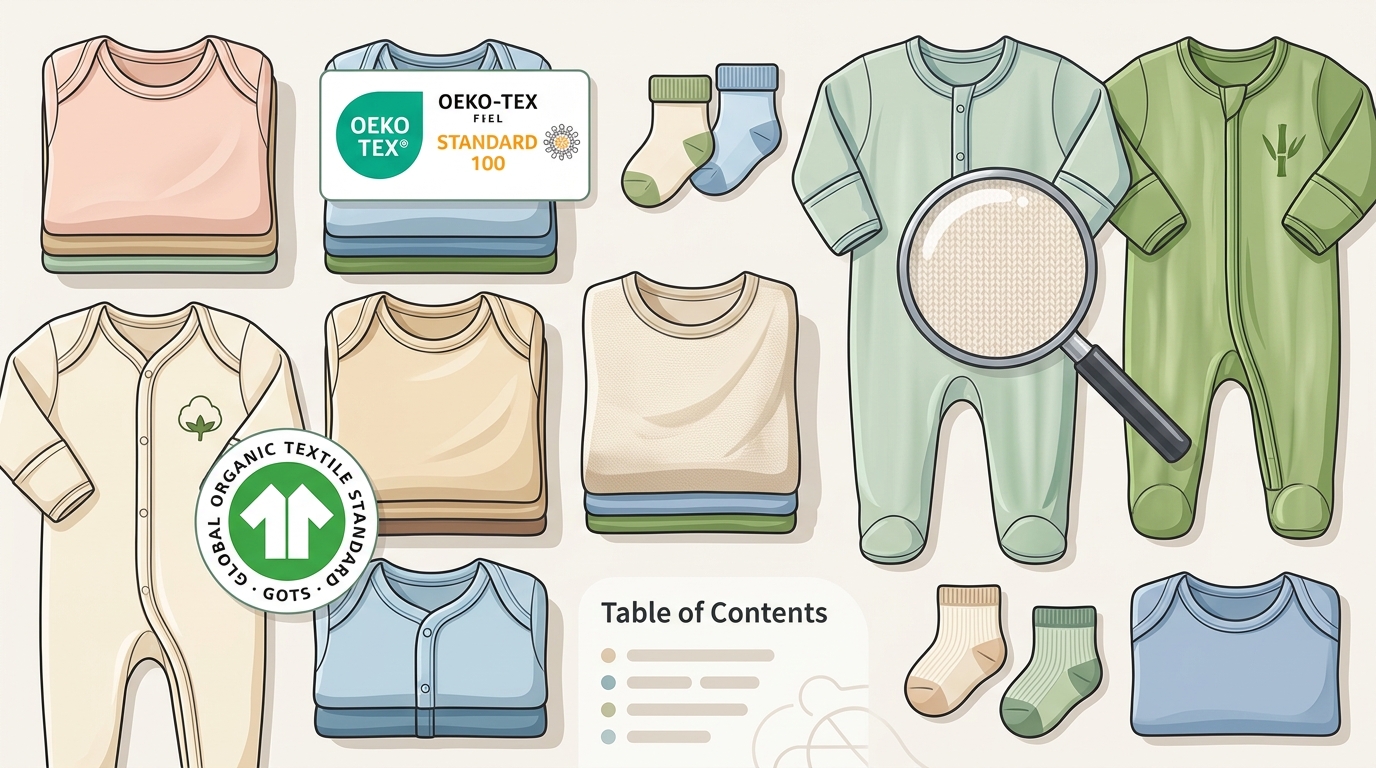
GOTS stands for Global Organic Textile Standard. It certifies that the textile is made from organic fibers and meets strict environmental and social criteria.
Is OEKO-TEX certification necessary?
It is highly recommended. OEKO-TEX Standard 100 tests for harmful substances, ensuring the textile is safe for skin contact.
Should I wash new baby clothes before use?
Yes, always wash new baby clothes before use. This removes any manufacturing residues and softens the fabric.
What detergent should I use for sensitive skin?
Use a gentle, fragrance-free, and dye-free detergent. Look for labels that say "hypoallergenic" or "free and clear."
Are tagless designs important?
Yes, tagless designs reduce the risk of irritation from labels. They are a small but important detail for comfort.
Can I find these items at Baby B's Boutique?
Conclusion
Choosing the right baby clothing for sensitive skin requires attention to detail. Look for natural fibers, reliable certifications, and safe manufacturing practices. By following these guidelines, you can protect your baby's delicate skin and ensure comfort. At Baby B's Boutique, we are committed to providing high-quality, skin-friendly apparel. Explore our collection to find the perfect items for your little one.