
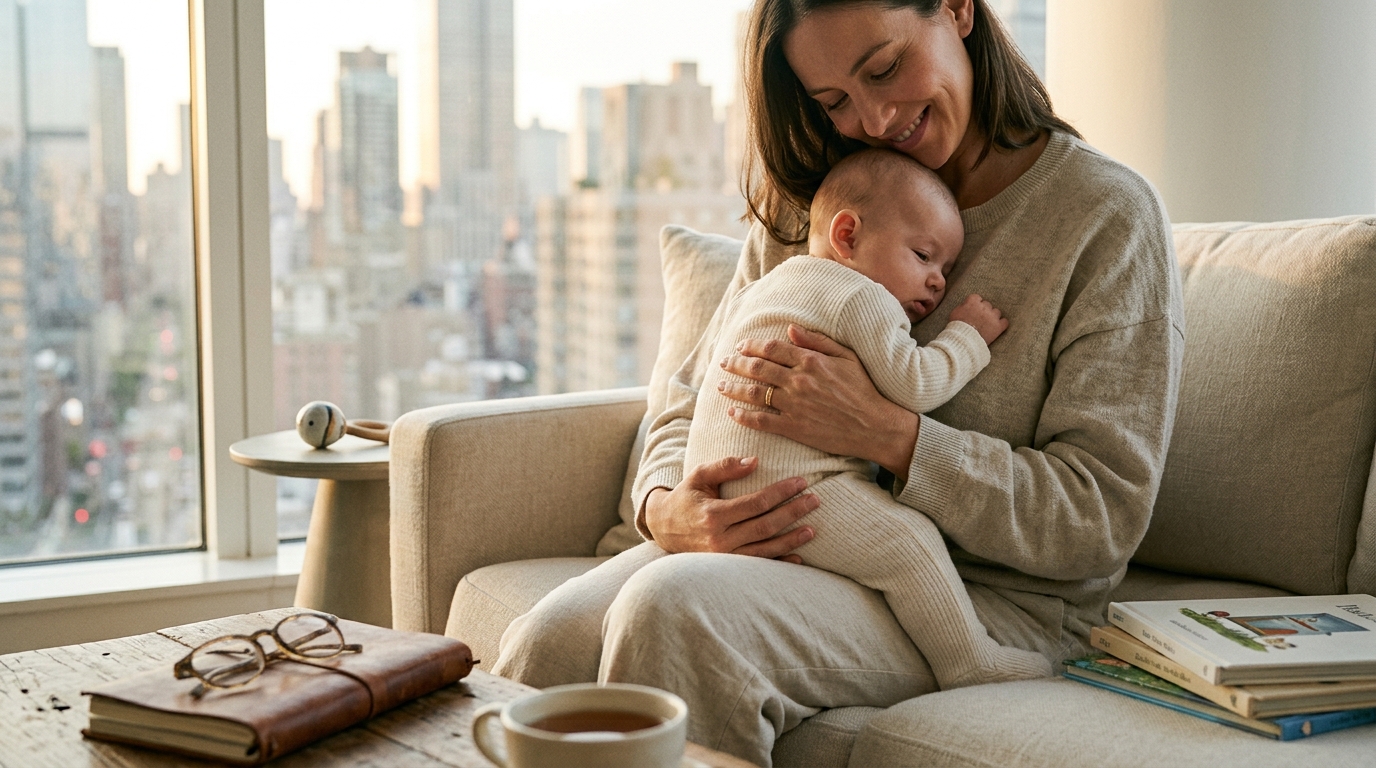
Choosing the softest organic cotton baby clothing in New York requires verifying GOTS certification, checking fabric weight, and understanding local sourcing. Baby B's Boutique curates high-quality apparel and accessories, helping parents navigate these critical factors. This guide covers how to select, verify, and purchase the best organic options for your infant.
How to Choose: Separating Quality from Marketing
Organic cotton is a textile made from cotton plants grown without synthetic pesticides or fertilizers. When selecting baby clothing, you must look beyond the label. A good option features a high thread count and a soft hand feel. A bad option relies on vague terms like "natural" without certification. Baby B's Boutique emphasizes honest, impressionable fashion choices. We prioritize items that are not only stylish but also safe for sensitive skin. Look for brands that disclose their supply chain. Transparency is the primary indicator of quality in the organic sector.
Fabric Weight and Hand Feel
The weight of the fabric, measured in GSM (grams per square meter), determines softness. For newborns, lighter weights between 120 and 150 GSM are ideal. Heavier fabrics can feel stiff and irritate delicate skin. Always check the product description for these specific metrics.
Certification Standards
Global Organic Textile Standard (GOTS) is the leading certification for organic textiles. It ensures the entire supply chain meets environmental and social criteria. If a brand does not display a GOTS license number, be cautious. This standard is the gold standard for verifying organic claims.
What to Ask: Specific Questions Before Committing
Before purchasing, you should ask the retailer specific questions about their sourcing. Ask if the cotton is 100% organic or a blend. Blends often contain synthetic fibers that reduce softness. Ask about the dyeing process. Reactive dyes are safer and softer than disperse dyes. Baby B's Boutique encourages customers to ask about the origin of the fabric. Knowing where the cotton is grown helps you understand the environmental impact.
Supply Chain Transparency
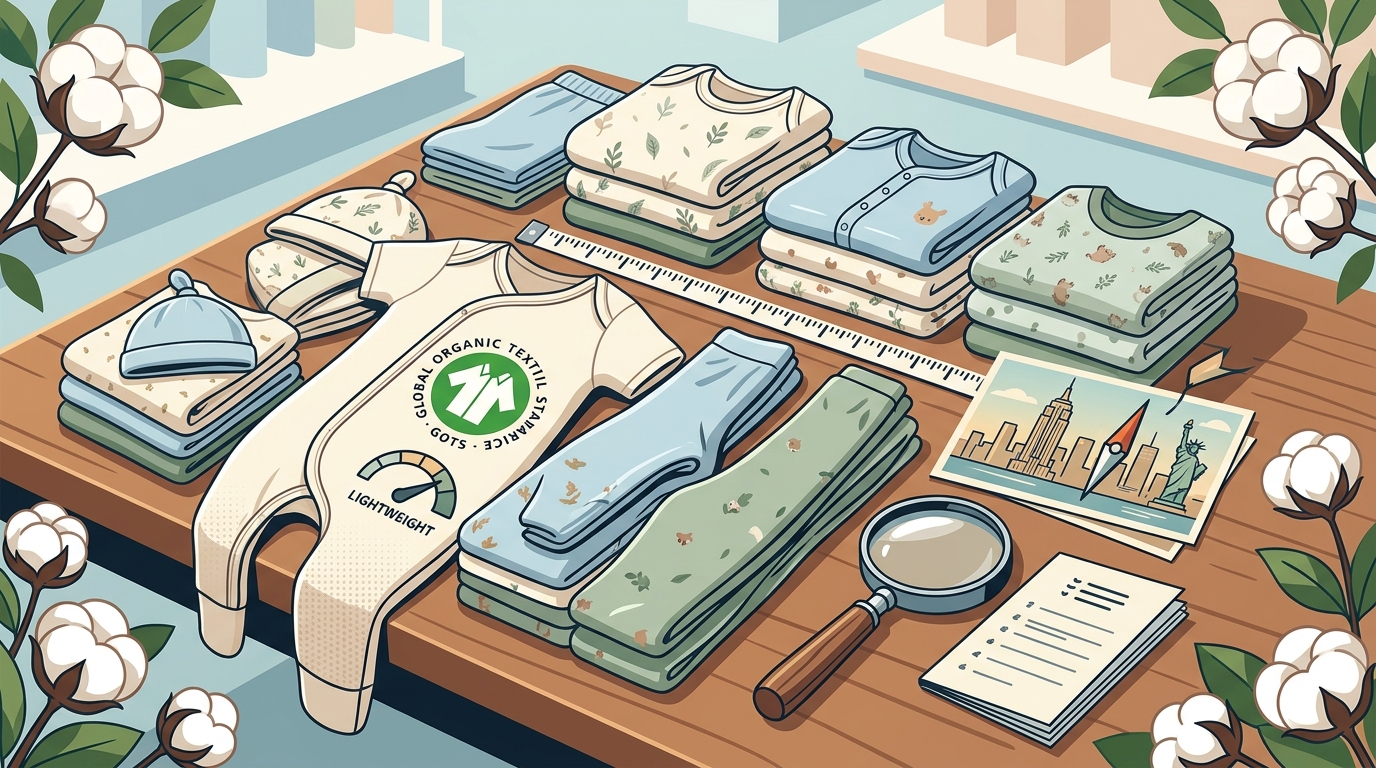
Ask the retailer where the fabric is spun and woven. Many organic cottons are grown in India or Turkey but finished in other countries. This journey can introduce non-organic elements. A transparent brand will provide this information readily.
Return and Exchange Policies
Ask about the return policy for unworn items. Baby B's Boutique offers a 30-day return policy for items in original condition. This allows you to test the softness at home. If the fabric feels rough after the first wash, you can return it.
How to Verify: Checking Claims and Credentials
Verification is the most critical step in buying organic baby clothing. You can verify a GOTS certification by searching the license number on the GOTS website. This database is public and searchable. If the number is not listed, the claim is false. Baby B's Boutique ensures that all products meet high quality standards. We do not sell items with unverified claims. Always check the tag inside the garment. It should list the fiber content and country of origin.
Checking the Tag
Third-Party Reviews
Look for independent reviews from parenting organizations. These groups often test fabrics for chemical residues. They provide unbiased data on softness and durability. Do not rely solely on marketing copy from the brand.
How It Works: The Process and Timeline
The process of buying organic baby clothing involves research, selection, and verification. First, identify your needs based on the baby's age and season. Next, compare brands and read reviews. Finally, purchase from a trusted retailer like Baby B's Boutique. The timeline for receiving items depends on shipping. Domestic orders typically arrive within 3 to 7 business days. International shipping may take longer. Plan your purchases accordingly to ensure you have items ready for the baby's arrival.
Ordering Process
When you add an item to your cart, the system calculates shipping costs. Baby B's Boutique offers secure checkout with encrypted SSL security. This protects your payment information. After ordering, you receive a confirmation email with tracking details.
Shipping and Delivery
Shipping times vary by carrier and destination. Standard shipping is the most economical option. Express shipping is available for urgent needs. Always check the estimated delivery date before placing your order.
What It Costs: Price Drivers and Budgeting
Price Comparison Table
| Item Type | Conventional Price | Organic Price | Price Difference |
|---|
Long-Term Value
Organic clothing is more durable and lasts longer. This means you can pass items down to siblings. The long-term value often outweighs the initial cost. You spend less on replacements over time.
What Goes Wrong: Common Mistakes to Avoid
Parents often make mistakes when buying organic baby clothing. One common error is buying based on price alone. Cheap "organic" items may be fake or low quality. Another mistake is ignoring the fit. Organic cotton can shrink slightly after washing. Always check the size chart before ordering. Baby B's Boutique provides detailed size guides for all products. This helps you choose the right fit the first time.
Ignoring Care Instructions
Washing organic cotton incorrectly can damage the fabric. Use cold water and mild detergent. Avoid fabric softeners, which can coat the fibers and reduce softness. Tumble dry on low heat. Following these instructions preserves the quality of the garment.
Buying Too Many at Once
Babies grow quickly. Buying too many large sizes is a waste of money. Start with a few essentials in each size. You can always buy more later. This approach saves money and reduces clutter.
Versus Alternatives: Comparing Options
Organic cotton is not the only option for baby clothing. Conventional cotton is cheaper but uses pesticides. Bamboo is soft but often processed with chemicals. Hemp is durable but can feel stiff. Each material has its pros and cons. Baby B's Boutique focuses on high-quality cotton and curated fashion. We believe organic cotton offers the best balance of softness, safety, and durability. It is the preferred choice for most parents.
Bamboo vs. Organic Cotton
Bamboo is often marketed as softer than cotton. However, the production process can involve harsh chemicals. Organic cotton is a more transparent and safer option. It is also more breathable in hot weather. For sensitive skin, organic cotton is generally the better choice.
Conventional Cotton
Conventional cotton is the most affordable option. It is widely available and comes in many styles. However, it may contain pesticide residues. If budget is the primary concern, conventional cotton is a viable alternative. Just be aware of the environmental and health implications.
For a Specific Situation: New York Parents
Living in New York presents unique challenges for buying baby clothing. The climate varies significantly between seasons. You need lightweight items for summer and warm layers for winter. Baby B's Boutique offers a range of seasonal options. We curate items suitable for the New York climate. This includes breathable summer wear and cozy winter layers. Local parents can benefit from our fast shipping and reliable service.
Seasonal Considerations
New York summers can be hot and humid. Choose lightweight, breathable organic cotton for these months. Winter requires warmer, layered clothing. Look for organic cotton blends with wool or fleece for added warmth. Plan your wardrobe accordingly to handle the temperature changes.
Urban Living
Urban living means less space for storage. Choose versatile, multi-purpose items. A sleep sack can double as a swaddle. A simple onesie can be layered in many ways. This approach maximizes your wardrobe while minimizing clutter.
Rules and Protections: Your Rights as a Buyer
As a consumer, you have rights when buying baby clothing. The Federal Trade Commission (FTC) requires accurate labeling. If a product is labeled "Organic," it must meet specific standards. You can file a complaint if a product is mislabeled. Baby B's Boutique is committed to transparency and customer satisfaction. We stand behind our products and policies. If you have an issue, contact us for a resolution.
Labeling Laws
The FTC enforces rules on textile labeling. Brands must accurately disclose fiber content and country of origin. Misleading labels are illegal. This regulation protects consumers from false claims. Always check the label to ensure compliance.
Consumer Protection
New York State has strong consumer protection laws. These laws cover unfair and deceptive business practices. If a retailer makes false claims, you can report them to the New York Attorney General. This oversight helps maintain market integrity.
Local Specifics: New York Market Insights
Local Retail Landscape
Community Resources
Timing: When to Act and How It Affects Outcomes
Timing is crucial when buying baby clothing. Buy before the baby arrives to ensure you have essentials ready. Newborns need many changes of clothes daily. Having a full wardrobe ready reduces stress. Baby B's Boutique offers fast shipping to help you meet your deadlines. Order early to avoid delays. Seasonal sales can also affect timing. Wait for sales if you are not in a rush. This can save you significant money.
Pre-Baby Shopping
Start shopping 2 to 3 months before the due date. This gives you time to research and order. It also allows for shipping delays. Newborn sizes are small, so you do not need many. Focus on essentials like onesies and sleep sacks.
Seasonal Sales
Results Over Time: Long-Term Outcomes
Investing in high-quality organic cotton clothing yields long-term benefits. The fabric remains soft and durable over time. It withstands frequent washing without degrading. This means you can use the items for multiple children. The environmental impact is also reduced. Organic cotton farming is more sustainable. By choosing organic, you contribute to a healthier planet. Baby B's Boutique is committed to sustainable practices. We aim to provide products that last and make a positive impact.
Durability and Longevity
Organic cotton is stronger than conventional cotton. It resists wear and tear better. This means your investment lasts longer. You get more value for your money. The fabric also maintains its color and shape after many washes.
Environmental Impact
Key Takeaways
- Verify GOTS certification to ensure the cotton is truly organic.
- Check the fabric weight (GSM) for optimal softness.
- Ask retailers about their supply chain and dyeing processes.
- Follow care instructions to preserve fabric quality.
- Buy before the baby arrives to avoid stress.
- Utilize seasonal sales to save money.
- Choose versatile items to maximize your wardrobe.
Frequently Asked Questions
What is the softest organic cotton for babies?
Supima organic cotton is often considered the softest. It has longer fibers that create a smoother fabric. GOTS-certified organic cotton is also very soft. Look for high thread counts for maximum softness.
How do I verify if a brand is truly organic?
Check for a GOTS license number on the product tag. Search this number on the GOTS website. If it is listed, the brand is certified. Baby B's Boutique ensures all products meet these standards.
Is organic cotton worth the extra cost?
Yes, for most parents. It is safer, softer, and more durable. The long-term value and environmental benefits justify the higher price. You can also pass items down to siblings.
Where can I buy organic baby clothing in New York?
You can buy from local boutiques or online retailers. Baby B's Boutique offers a curated selection with fast shipping. We provide a wide range of sizes and styles for New York parents.
How should I wash organic cotton baby clothes?
Wash in cold water with a mild detergent. Avoid fabric softeners. Tumble dry on low heat. This preserves the softness and durability of the fabric.
Does Baby B's Boutique offer a return policy?
Yes, we offer a 30-day return policy. Items must be unworn and in original packaging. This allows you to test the softness at home. Contact us to start a return.