
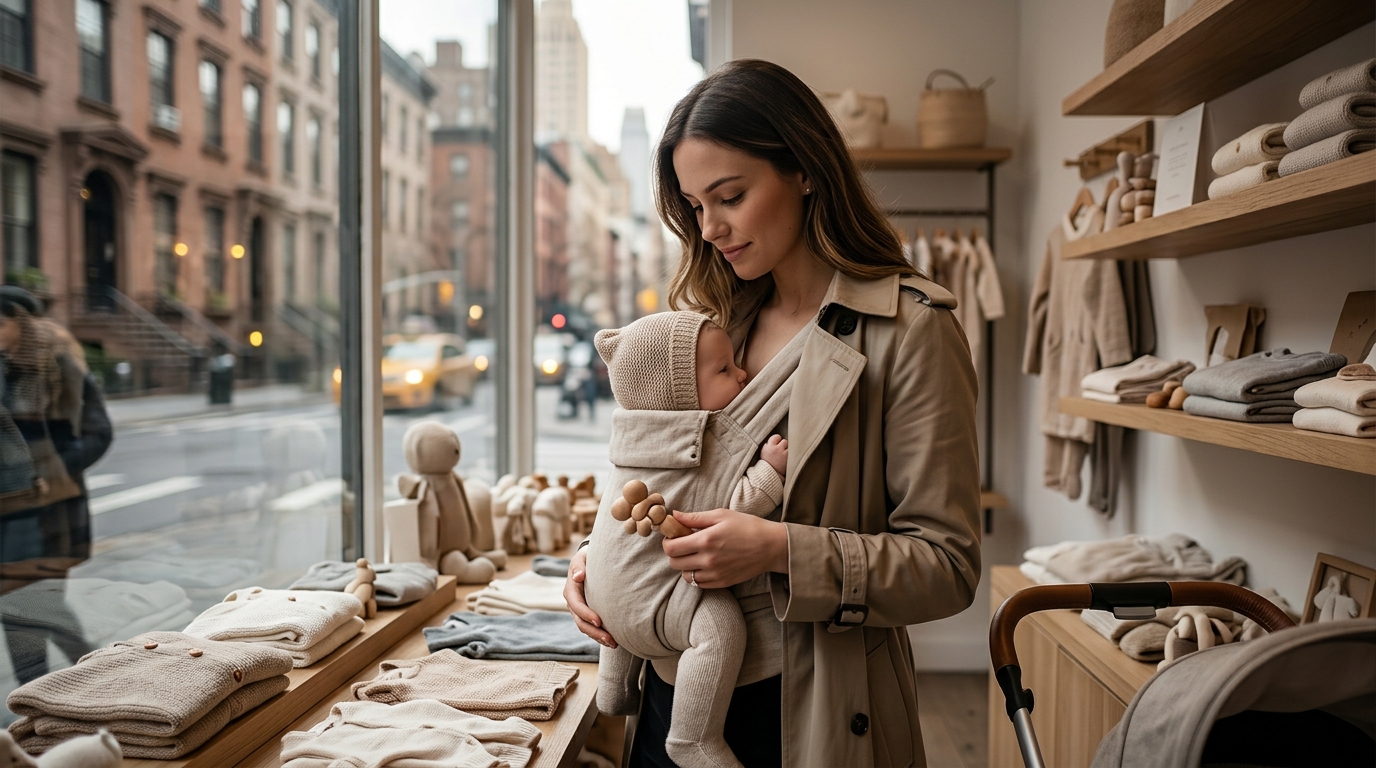
How to Choose Quality Baby Clothing
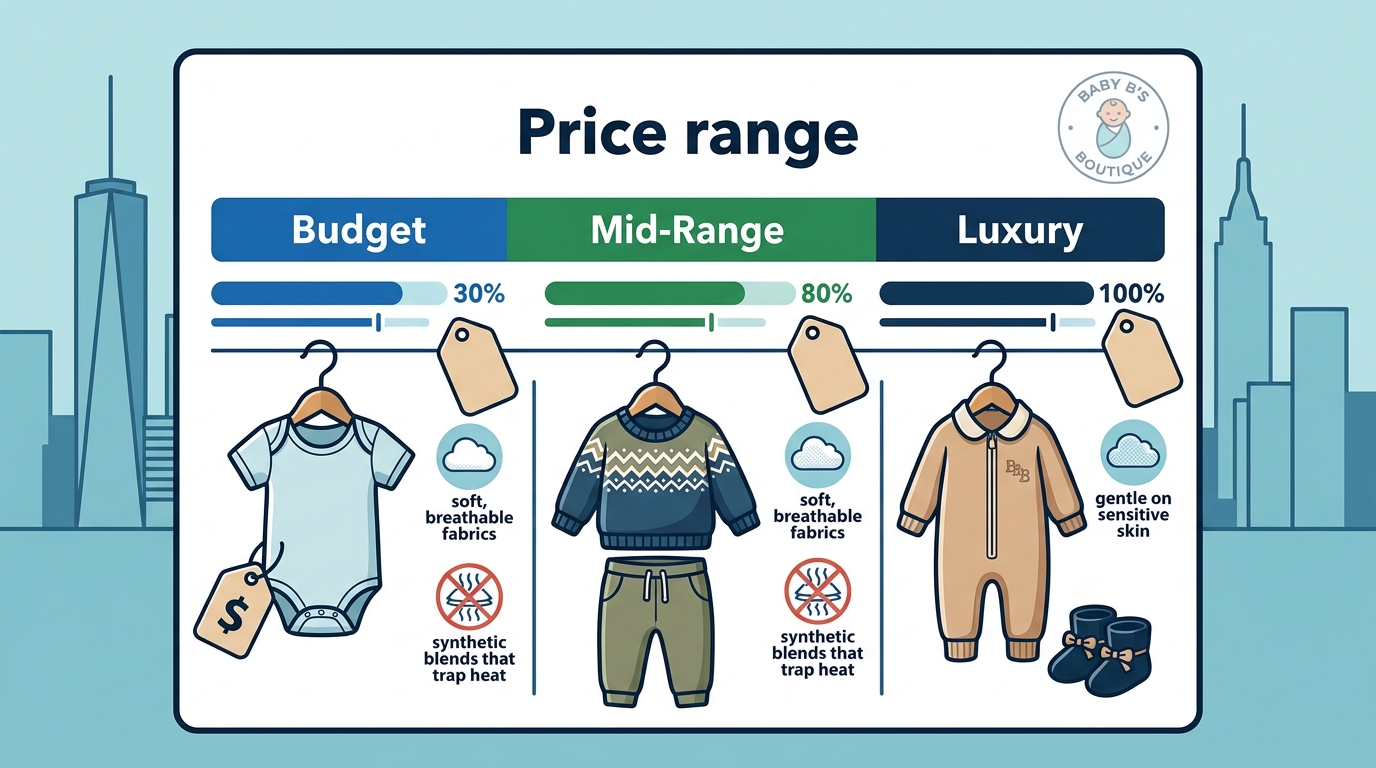
Selecting the right baby clothing requires balancing aesthetics with functionality. A good option prioritizes soft, breathable fabrics like organic cotton or bamboo. These materials are gentle on sensitive skin and reduce the risk of irritation. Bad options often rely on synthetic blends that trap heat and cause discomfort. For additional details, review the Your Shopping Cart ndash.
Fabric Composition
Fabric composition is the primary indicator of quality. Look for 100% cotton or high-quality blends. Avoid items with high polyester content, as these can feel scratchy and less breathable. The weave density also matters; tighter weaves generally indicate better durability. For additional details, review the .
Fit and Sizing
Proper fit is crucial for comfort and safety. Sizing in baby clothing can vary significantly between brands. Always check the specific measurements for length and chest width. A good fit allows for movement without being too loose, which can pose a safety hazard. For additional details, review the Customer Experience.
Design and Functionality
Functional design elements make daily care easier. Look for snap closures or zippers that are easy to operate. Avoid complex designs with many small buttons or tight necklines. The clothing should be easy to put on and take off, especially during diaper changes. For additional details, review the Frequently Asked Questions.
Questions to Ask Before Buying
Before committing to a purchase, ask specific questions to ensure the item meets your needs. Inquire about the fabric origin and manufacturing process. Ask if the clothing is machine washable and if it holds up well after multiple washes. These details help you make an informed decision.
Material Safety
Ask if the fabric is free from harmful chemicals. Look for certifications like GOTS (Global Organic Textile Standard) or OEKO-TEX. These certifications ensure that the materials are safe for infant skin. If a brand cannot provide this information, consider looking elsewhere.
Care Instructions
Check the care label for specific washing instructions. Some delicate fabrics require hand washing or special detergents. This can add to the long-term cost and effort of maintaining the clothing. Choose items that are easy to care for to save time and money.
Return Policy
Understand the return policy before purchasing. Ask about the time frame for returns and whether tags must remain attached. Some online retailers have strict policies that make returns difficult. Knowing these details upfront can save you from unexpected issues.
Verifying Brand Claims and Credentials
Verifying brand claims ensures that you are getting what you pay for. Check for third-party certifications that validate organic or sustainable claims. Look for independent reviews from trusted parenting websites. These sources provide unbiased feedback on product quality and performance.
Certification Checks
Certifications like GOTS and OEKO-TEX are verifiable through official registries. You can search for the brand or product in these databases to confirm authenticity. This step helps you avoid greenwashing, where brands make misleading environmental claims.
Review Analysis
Read reviews from multiple sources to get a balanced perspective. Look for patterns in the feedback, such as consistent complaints about sizing or fabric quality. Pay attention to reviews from parents with similar experiences. Their insights can be particularly valuable.
Brand Reputation
Research the brand's reputation in the industry. Look for any history of recalls or safety issues. A reputable brand will have a transparent track record. This due diligence helps you build confidence in your purchase.
The Shopping Process and Timeline
Online Ordering
Local Retail
Shipping and Delivery
Shipping times vary by retailer and location. In New York, local delivery options may be faster. Check the estimated delivery date before placing your order. Keep in mind that holidays and peak seasons can affect shipping times.
Cost Drivers and Price Factors
Several factors influence the price of fashionable baby clothing. Brand reputation, fabric quality, and design complexity are primary drivers. Luxury brands command higher prices due to their perceived value. Understanding these factors helps you make budget-conscious decisions.
Brand Premium
Brand premium is a significant cost driver. Well-known brands often charge more for their name recognition. This premium may not always reflect a proportional increase in quality. Consider whether the brand name is worth the extra cost.
Fabric Quality
Design Complexity
Complex designs with intricate details cost more to produce. Embroidery, lace, and special finishes add to the price. Simple, classic designs are often more affordable and versatile. Choose designs that fit your style and budget.
Common Mistakes to Avoid
Avoiding common mistakes can save you money and frustration. One major error is buying too many sizes at once. Babies grow quickly, and you may end up with unused clothing. Another mistake is ignoring care instructions, which can damage the fabric.
Overbuying
Overbuying is a common mistake that leads to waste. Babies outgrow sizes rapidly, often within a few months. Buy only what you need for the current season. Consider buying second-hand or borrowing from friends to reduce costs.
Ignoring Care Labels
Ignoring care labels can ruin expensive clothing. Always read the label before washing. Use the recommended water temperature and detergent. Proper care extends the life of the clothing and maintains its appearance.
Not Checking Fit
Not checking the fit can lead to discomfort and safety issues. Always measure your baby and compare it to the size chart. Avoid buying clothing that is too tight or too loose. A proper fit ensures comfort and safety.
Comparing Online vs. Local Retail
| Selection | Wide variety of brands and styles | Limited selection, curated items |
| Price | Often lower due to competition | May be higher due to overhead |
| Convenience | Shop from home, easy returns | Immediate possession, personal service |
| Quality Inspection | Cannot inspect before buying | Can inspect fabric and fit |
Shopping for Specific Situations
Shopping for specific situations requires tailored approaches. For special occasions, invest in higher quality pieces that can be reused. For everyday wear, focus on durability and ease of care. Understanding the context helps you make the best choices.
Special Occasions
Special occasions like christenings or weddings call for formal attire. These items are often worn only once, so consider renting or buying second-hand. If buying new, choose timeless designs that can be passed down.
Everyday Wear
Everyday clothing should be practical and comfortable. Look for durable fabrics that can withstand frequent washing. Simple designs with easy closures are ideal for daily use. These items form the core of your baby's wardrobe.
Seasonal Needs
Seasonal needs influence clothing choices. In New York, winters are cold, requiring warm layers. Summers are hot, necessitating light, breathable fabrics. Plan your purchases according to the season to ensure comfort.
Consumer Protections and Return Policies
Consumer protections vary by retailer and jurisdiction. In New York, state laws provide certain rights for consumers. Understanding these protections helps you navigate disputes and returns. Always review the retailer's policy before purchasing.
Return Policies
Warranty and Defects
Warranties cover defects in materials and workmanship. If an item arrives damaged or defective, you are entitled to a replacement or refund. Keep your receipt and packaging for proof of purchase. This documentation is essential for claims.
Legal Rights
New York consumer protection laws provide additional rights. These laws cover issues like false advertising and unfair practices. If you encounter a problem, you can file a complaint with the New York State Attorney General. Understanding your rights empowers you to seek resolution.
New York City Specifics
New York City offers unique shopping opportunities for baby clothing. The city is home to numerous boutiques and department stores. Local retailers often carry exclusive brands and limited editions. The diverse population also influences the styles available.
Boutique Culture
New York has a vibrant boutique culture. These stores often curate unique and fashionable items. They provide personalized service and advice. Visiting local boutiques can help you find distinctive pieces that are not available elsewhere.
Department Stores
Online Presence
Timing Your Purchases
Seasonal Sales
Advance Planning
Plan your purchases in advance to avoid last-minute stress. Babies grow quickly, so you need to anticipate their size changes. Buying a size ahead can be a good strategy. This ensures you have the right items when your baby outgrows the current size.
Peak Seasons
Peak seasons like holidays and back-to-school can affect availability. Popular items may sell out quickly. Order early to ensure you get what you want. Keep in mind that shipping times may be longer during these periods.
Long-Term Value and Durability
Long-term value is determined by durability and reusability. High-quality clothing lasts longer and can be passed down to siblings. Investing in durable pieces saves money in the long run. Consider the lifecycle of the clothing when making your purchase.
Durability
Durability is a key factor in long-term value. Look for sturdy seams and high-quality fabrics. These items can withstand frequent washing and wear. They are a better investment than cheap, disposable clothing.
Reusability
Reusability adds to the value of baby clothing. Timeless designs can be worn by multiple children. Consider buying pieces that can be passed down. This extends the life of the clothing and reduces waste.
Cost Per Wear
Cost per wear is a useful metric for evaluating value. Divide the price of the item by the number of times you expect to wear it. This helps you compare the true cost of different options. Higher quality items often have a lower cost per wear.
Key Takeaways
- Fabric quality and brand reputation are the primary drivers of price.
- Verify brand claims by checking for third-party certifications like GOTS and OEKO-TEX.
- Seasonal sales are the best time to buy baby clothing to save money.
- Invest in durable, timeless pieces for long-term value and reusability.
- Understand consumer protections and return policies before purchasing.
- Plan your purchases in advance to ensure availability and manage your budget.
Frequently Asked Questions
What is the average price of a baby outfit in New York?
Are organic baby clothes worth the extra cost?
Organic baby clothes are worth the extra cost for many parents. They are made from sustainable materials that are gentle on sensitive skin. They also tend to be more durable, offering better long-term value.
Where can I find affordable fashionable baby clothing in New York?
How do I know if a baby clothing brand is reputable?
Check for third-party certifications and read independent reviews. Look for a transparent track record and positive customer feedback. A reputable brand will have a strong reputation in the industry.
What is the best fabric for baby clothing?
Cotton and bamboo are the best fabrics for baby clothing. They are soft, breathable, and gentle on sensitive skin. Avoid synthetic blends that can cause irritation and discomfort.
How often should I buy new baby clothes?
Babies grow quickly, so you may need to buy new clothes every few months. Focus on buying durable, versatile pieces that can be reused. Consider buying second-hand or borrowing from friends to reduce costs.
Can I return baby clothing if it doesn't fit?
Return policies vary by retailer. Some allow returns if the tags are attached and the item is in new condition. Check the policy before purchasing to understand your options.