
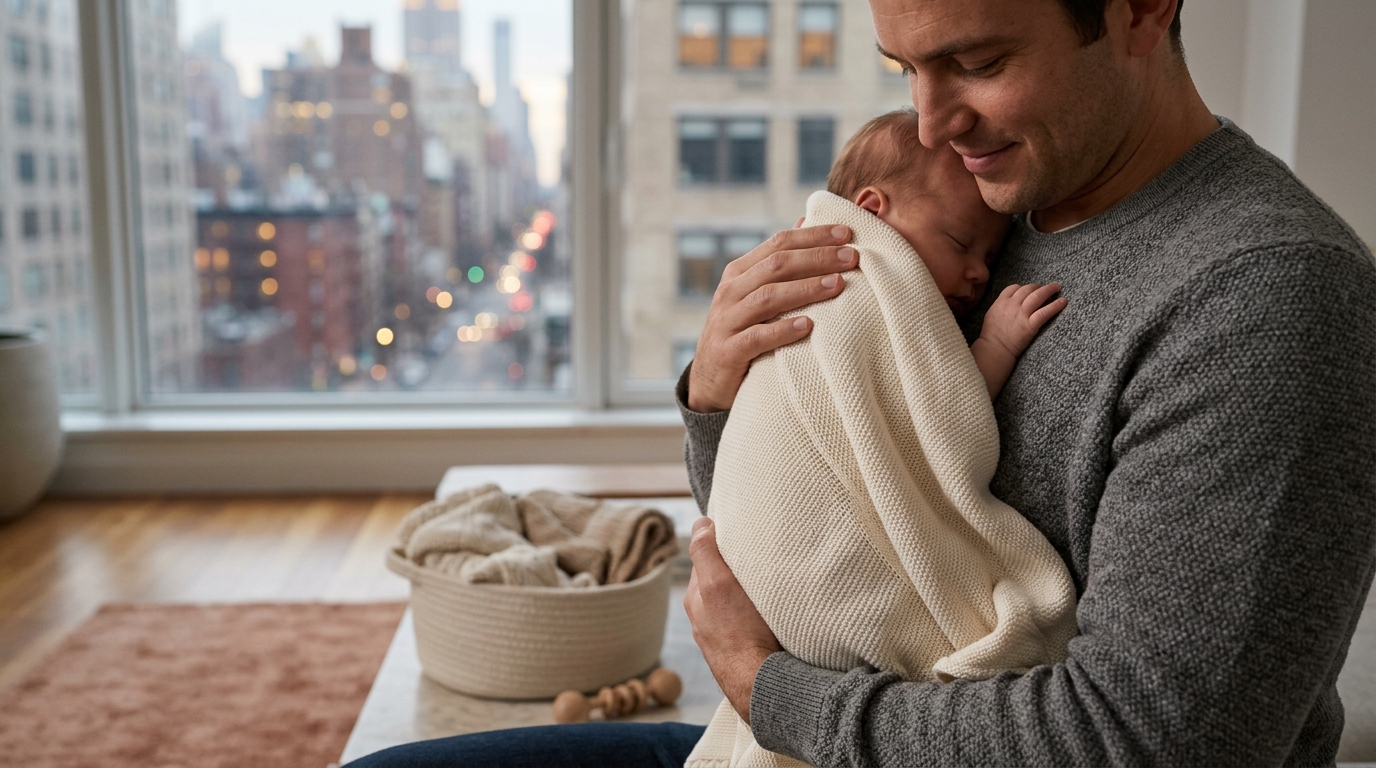
Parents in New York seeking the softest organic cotton baby clothing should prioritize brands with GOTS certification and high thread counts. Baby B's Boutique curates premium apparel and accessories that meet these rigorous standards. This guide covers how to evaluate fabric quality, verify certifications, and select the best options for your infant's comfort and safety.
How to Choose Quality Organic Cotton
Fiber Length and Thread Count
Thread count is a common metric, but it is not the sole indicator of quality. A higher thread count generally means a denser fabric, which can feel smoother. However, for baby skin, the weave type matters more. Single-ply yarns are often softer than multi-ply yarns because they are less tightly twisted. Look for fabrics described as "brushed" or "combed" to ensure the shorter, rougher fibers have been removed.
Finishing and Dyeing
The chemical treatment of the fabric significantly impacts softness. Many conventional cottons are treated with formaldehyde to prevent wrinkling, which can irritate sensitive skin. Organic cotton clothing should be dyed with low-impact or natural dyes. These processes preserve the natural softness of the fiber while ensuring the garment is safe for infants.
Questions to Ask Before Buying
When shopping at a boutique like Baby B's Boutique, it is helpful to ask specific questions about the product's origin and treatment. These questions help you distinguish between marketing fluff and genuine quality.
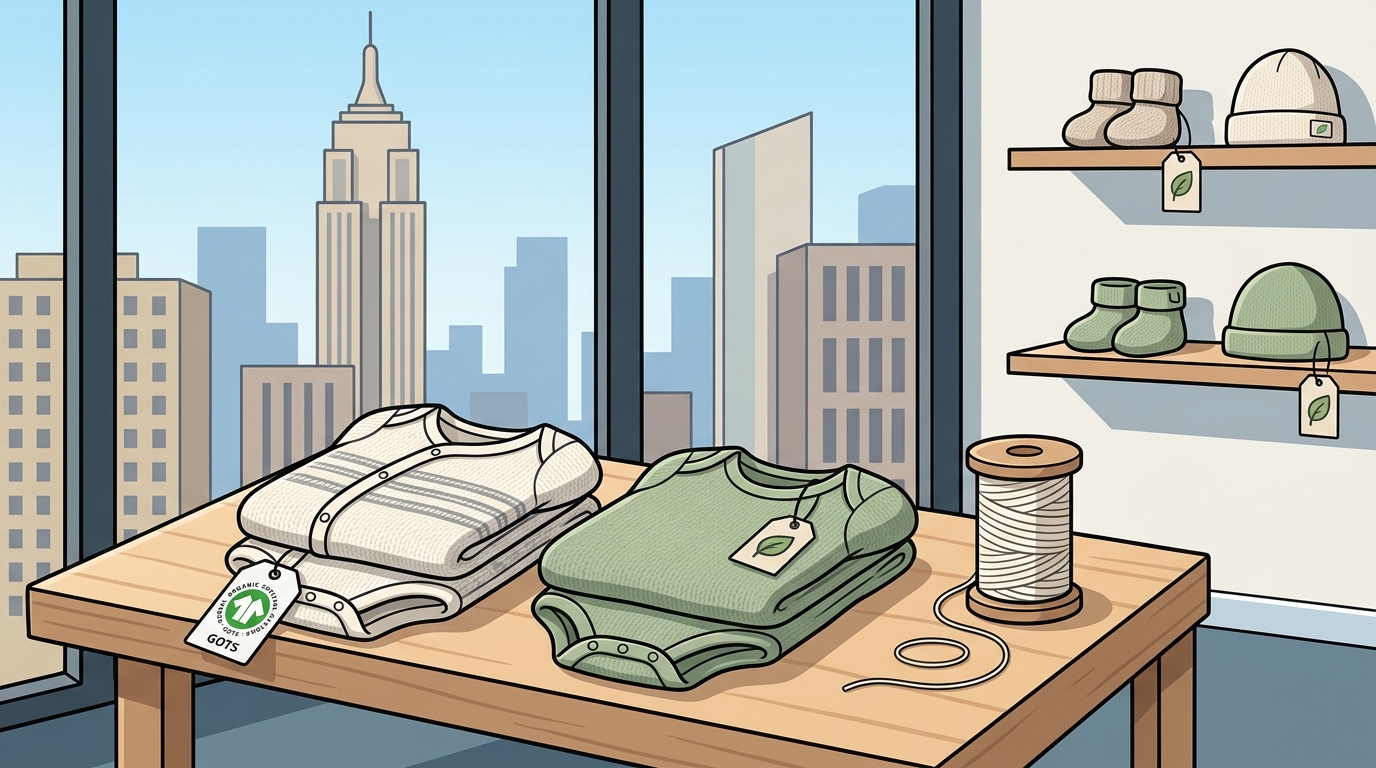
Key Questions for Vendors
- Is the cotton certified organic by a recognized body like GOTS or OCS?
- What is the fiber origin? (e.g., US, India, Turkey)
- Are the dyes low-impact or azo-free?
- What is the thread count and ply count?
- Is the garment pre-shrunk?
Reputable retailers will have this information readily available. If a vendor cannot answer these questions, it may indicate a lack of transparency in their supply chain.
Verifying Certifications and Claims
"Organic" is a regulated term, but not all claims are equal. Global Organic Textile Standard (GOTS) is a leading certification for organic textiles. It covers the entire supply chain, from harvesting to labeling. To verify a claim, look for the GOTS logo on the tag and check the license number on the GOTS website.
Checking the Label
The label should state the percentage of organic content. For a product to be labeled "100% Organic," it must contain at least 95% certified organic fibers. If the label says "Made with Organic Cotton," it may contain only 70% organic content. Always check the fiber content breakdown on the care tag.
The Sourcing and Production Process
Understanding the journey of the fabric helps you appreciate the value of organic cotton. The process begins with seed selection. Organic seeds are untreated and planted in soil that has been free of prohibited substances for at least three years.
From Field to Fabric
After harvesting, the cotton is ginned to separate the fibers from the seeds. The fibers are then spun into yarn. In organic production, this spinning process must occur in a certified facility to prevent contamination with conventional cotton. The yarn is woven or knitted into fabric, which is then dyed and finished. Each step is audited to ensure compliance with environmental and social criteria.
Understanding Price Factors
Organic cotton clothing typically costs more than conventional cotton. This price difference reflects the higher cost of organic farming, which requires more labor and has lower yields. Additionally, the certification and auditing processes add to the final cost.
Price Drivers
- Fiber Quality: Long-staple organic cotton is more expensive than short-staple.
- Certification: GOTS certification involves annual audits and fees.
- Production Volume: Smaller batches often cost more per unit.
- Design and Branding: Premium brands charge for design and marketing.
While the upfront cost is higher, organic cotton garments often last longer, making them a cost-effective choice over time.
Common Mistakes to Avoid
Parents often make mistakes when buying baby clothing that compromise comfort or safety. One common error is assuming that "natural" means "organic." Natural fibers like hemp or linen are not necessarily organic. Another mistake is ignoring the care instructions. Organic cotton can shrink if washed in hot water, so always check the label.
Label Misinterpretation
Be wary of vague terms like "eco-friendly" or "green." These are not regulated and can be used for marketing purposes. Stick to specific certifications like GOTS or OCS. Also, check for hidden synthetic blends. Some "organic" garments contain small percentages of elastane for stretch, which may not be suitable for very sensitive skin.
Organic Cotton vs. Alternatives
While organic cotton is a top choice, other materials have their merits. Bamboo viscose is often marketed as a sustainable alternative. It is soft and breathable, but the production process involves heavy chemical treatment. Conventional cotton is cheaper but may contain pesticide residues. Merino wool is excellent for temperature regulation but can be itchy for some babies.
| Material | Softness | Sustainability | Cost | Skin Sensitivity |
|---|---|---|---|---|
| Organic Cotton | High | High | Medium-High | Low Irritation |
| Conventional Cotton | Medium | Low | Low | Potential Irritation |
| Bamboo Viscose | Very High | Medium | Medium | Low Irritation |
| Merino Wool | Medium | High | High | Potential Itch |
Choosing for Sensitive Skin
If your baby has eczema or sensitive skin, the choice of fabric is critical. Organic cotton is generally the safest option because it is free from harsh chemicals. Look for garments that are undyed or dyed with natural dyes. White or natural-colored organic cotton is often the best choice for reactive skin. Avoid garments with tight seams or tags that can rub against the skin.
Testing for Tolerance
When introducing a new fabric, monitor your baby's skin for any signs of irritation. Start with a single garment and observe for 24 hours. If no reaction occurs, you can gradually introduce more items. This cautious approach helps you identify any specific sensitivities.
Safety Standards and Protections
Baby clothing is subject to strict safety regulations. In the United States, the Consumer Product Safety Commission (CPSC) sets standards for children's apparel. These standards cover flammability, lead content, and small parts. Organic cotton garments must also comply with these regulations. Additionally, the GOTS standard includes social criteria that ensure fair labor practices in the supply chain.
Labeling Requirements
All clothing sold in the US must have a care label that includes the fiber content, country of origin, and manufacturer's name. This information is protected by the Textile Fiber Products Identification Act. If a garment lacks this information, it may not be compliant with US law.
New York Specific Considerations
New York City offers a unique shopping environment for baby clothing. The city has a high concentration of boutiques and specialty stores that carry premium organic brands. Local shops often provide personalized advice and can help you find specific sizes or styles. Additionally, New York's diverse population means a wide range of sizes and styles are available to accommodate different needs.
Local Retailers
While online shopping is convenient, visiting a local boutique allows you to feel the fabric and assess the quality firsthand. Stores in neighborhoods like SoHo, West Village, and Upper East Side often carry curated selections of organic cotton clothing. These retailers may also offer services like gift wrapping and personalization, which can be valuable for special occasions.
When to Buy
Timing your purchases can save money and ensure you have the right sizes. Babies grow quickly, so it is best to buy clothing for the current size and one size up. Avoid buying too many items in a smaller size, as they may be outgrown before they are worn. Seasonal sales are a good time to stock up on essentials. Winter sales often offer discounts on heavier organic cotton garments, while summer sales feature lighter, breathable options.
Life Events
Consider upcoming life events when planning your purchases. If you are expecting a baby, start building a wardrobe a few months before the due date. This allows you to take advantage of sales and ensure you have a complete set of essentials. For existing children, consider their growth rate and adjust your buying frequency accordingly.
Long-Term Durability and Comfort
Organic cotton is known for its durability. High-quality organic cotton garments can last through multiple washes and even be passed down to younger siblings. The fibers become softer with each wash, enhancing comfort over time. This longevity makes organic cotton a sustainable choice, as it reduces the need for frequent replacements.
Care for Longevity
To maximize the life of your organic cotton clothing, follow the care instructions carefully. Wash in cold water and air dry when possible. Avoid using fabric softeners, as they can coat the fibers and reduce breathability. Storing garments in a cool, dry place helps prevent damage and keeps them in good condition.
Key Takeaways
- Look for GOTS certification to ensure the cotton is truly organic.
- Check the fiber content and dyeing process on the care label.
- Organic cotton is a safe choice for babies with sensitive skin.
- Buy for the current size and one size up to avoid waste.
- Local boutiques in New York offer personalized advice and premium selections.
- Proper care extends the life of organic cotton garments.
Frequently Asked Questions
What is the softest organic cotton for babies?
Long-staple organic cotton, such as Pima or Supima, is generally considered the softest. These fibers are longer and stronger, resulting in a smoother and more durable fabric.
How can I verify if a brand is truly organic?
Look for certifications like GOTS or OCS on the label. You can also check the brand's website for details on their supply chain and certification status.
Is organic cotton worth the extra cost?
Yes, for many parents. Organic cotton is safer for babies and the environment, and high-quality garments last longer, making them a cost-effective choice over time.
Where can I buy organic cotton baby clothing in New York?
You can find organic cotton baby clothing in local boutiques and online retailers. Baby B's Boutique offers a curated selection of premium apparel and accessories.
How should I wash organic cotton baby clothes?
Wash in cold water with a mild, fragrance-free detergent. Air dry when possible to preserve the fabric's softness and durability.
Can organic cotton cause allergies?
Organic cotton is hypoallergenic and is generally safe for babies with sensitive skin. However, individual reactions can vary, so monitor your baby's skin for any signs of irritation.