
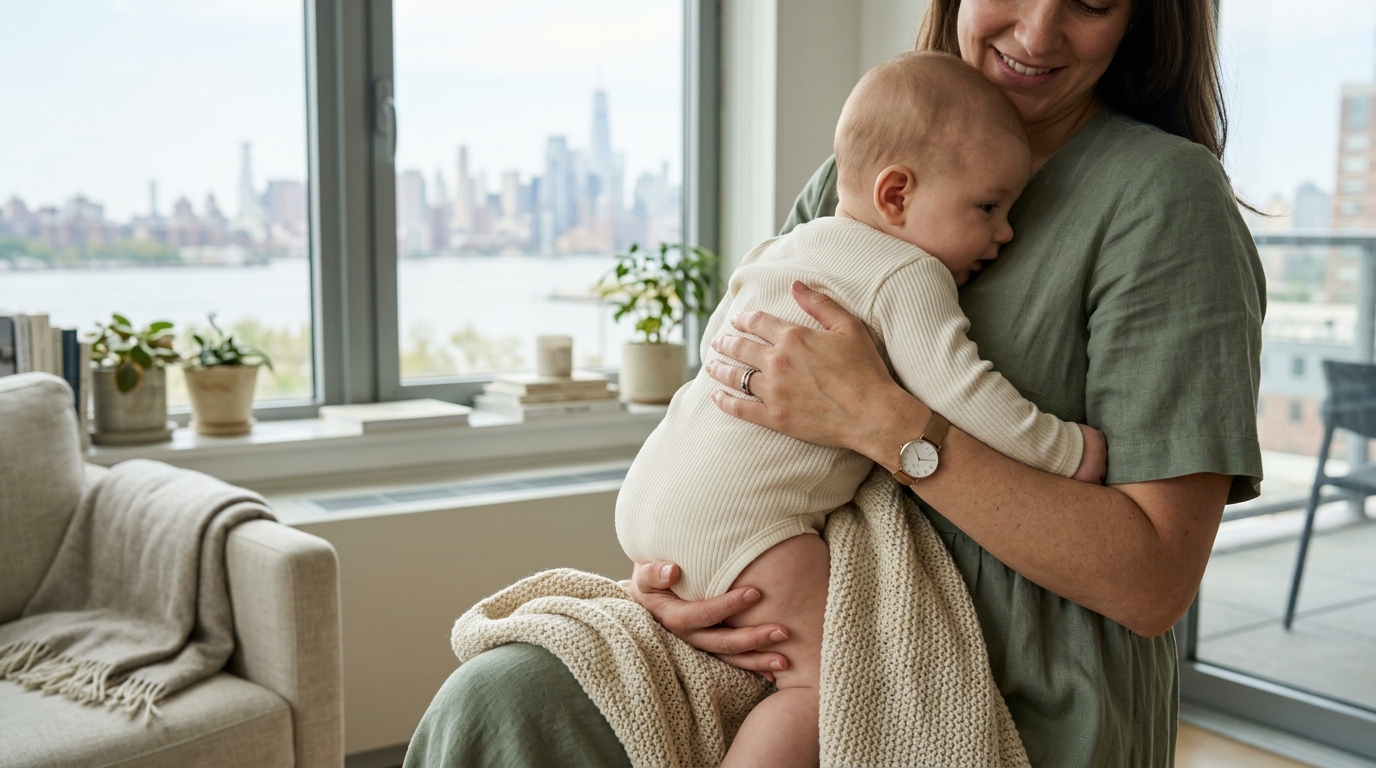
Choosing the softest organic cotton for a baby in New York requires verifying GOTS certification and checking fabric weight. Baby B's Boutique curates high-quality apparel and accessories that prioritize skin comfort and durability. This guide explains how to evaluate fabric softness, verify certifications, and select the right clothing for your child's specific needs. For additional details, review the shopbabybs myshopify com.
How to Choose Soft Organic Cotton
Softness in baby clothing is not just a marketing term. It is a measurable physical property of the fiber. Organic cotton is cotton grown without synthetic pesticides or fertilizers. This farming method often results in longer, stronger fibers that feel smoother against the skin. When selecting a brand, look for specific fabric weights and weave types. For additional details, review the Frequently Asked Questions.
Fabric Weight and Weave
Fiber Length
Staple length determines the smoothness of the yarn. Long-staple organic cotton, such as Pima or Supima varieties, produces smoother threads. These fibers have fewer ends protruding from the yarn, which reduces the prickly feeling. Brands that specify long-staple organic cotton often provide a superior tactile experience for sensitive baby skin. For additional details, review the About.
Questions to Ask Before Buying
Before committing to a purchase, you should ask specific questions to ensure the product meets your standards. These questions help you filter out low-quality items that may only appear organic on the label.
What is the exact fiber content?
Ask if the garment is 100% organic cotton or a blend. Blends with synthetic fibers like polyester can reduce breathability and softness. A 100% organic cotton garment is the gold standard for comfort. If a blend is used, ask what percentage is organic and what the synthetic component is.
Where is the fabric sourced and processed?
Organic certification applies to the entire supply chain. Ask where the cotton was grown and where the fabric was spun and woven. Knowing the origin helps you verify that the certification covers the whole process, not just the raw material.
What is the care label instruction?
Softness can be affected by washing. Ask if the garment requires special care to maintain its texture. Some organic cottons soften with each wash, while others may shrink if not handled correctly. Understanding the care requirements helps you maintain the fabric's quality over time.
Verifying Certifications and Claims
Not all labels are created equal. You must verify that the claims are backed by recognized third-party certifications. GOTS certification is the global standard for organic textile processing. It ensures that the textile is organic from raw material through final labeling.
Check the Certification ID
Legitimate GOTS certified products have a unique certification ID. You can verify this ID on the GOTS website. If a brand claims to be GOTS certified but cannot provide a valid ID, be cautious. This step ensures that the product meets strict environmental and social criteria.
Look for OEKO-TEX Standard 100
The Manufacturing and Sourcing Process
Understanding the process helps you appreciate the value of organic cotton. The journey starts in the field and ends in your baby's closet. Each step is regulated to ensure quality and sustainability.
Farming and Harvesting
Organic cotton is grown using natural methods. Farmers use crop rotation and natural pest control. This process takes longer than conventional farming but results in a cleaner fiber. The cotton is harvested and ginned to remove seeds and impurities.
Spinning and Weaving
The raw cotton is spun into yarn. This process aligns the fibers to create strength. The yarn is then woven or knitted into fabric. The quality of the spinning and weaving directly impacts the final softness. High-quality mills use advanced technology to create smooth, even fabrics.
Dyeing and Finishing
If the fabric is colored, it undergoes dyeing. Organic standards restrict the use of harmful dyes. The fabric is then finished to achieve the desired hand feel. This step is critical for softness. Proper finishing ensures the fabric is gentle on the skin.
Understanding Price Drivers
Organic cotton clothing often costs more than conventional options. Several factors drive this price difference. Understanding these drivers helps you make informed purchasing decisions.
Raw Material Costs
Organic farming is more labor-intensive and yields less cotton per acre. This increases the cost of the raw material. The higher cost reflects the environmental and social benefits of organic production. You are paying for a cleaner, safer product.
Certification Fees
Brands must pay for certification audits. These fees are passed on to the consumer. The cost of maintaining GOTS and OEKO-TEX certifications ensures that the product meets strict standards. This investment in quality is reflected in the retail price.
Brand Positioning
Common Mistakes to Avoid
Consumers often make mistakes when buying baby clothing. Avoiding these errors can save you money and ensure your baby's comfort.
Ignoring the Care Label
Washing organic cotton incorrectly can ruin its softness. Using high heat or harsh detergents can damage the fibers. Always read the care label and follow the instructions. This simple step preserves the fabric's quality.
Buying Based on Price Alone
The cheapest option is not always the best. Low-cost organic cotton may use shorter fibers or lower-quality processing. This can result in a rougher feel. Focus on quality indicators like fiber length and certification rather than just the price tag.
Not Checking for Shrinkage
Organic cotton can shrink if washed in hot water. This can make the garment too small for your baby. Buy a size up if you are concerned about shrinkage. Alternatively, wash the garment in cold water to maintain its size.
Organic Cotton vs. Alternatives
Organic cotton is not the only option. Comparing it to alternatives helps you choose the best fabric for your needs.
| Fabric Type | Softness | Breathability | Durability | Cost |
|---|---|---|---|---|
| Organic Cotton | High | High | Medium | Medium to High |
| Conventional Cotton | Medium | High | Medium | Low |
| Bamboo | Very High | High | Low | Medium |
| Merino Wool | High | Medium | High | High |
Choosing for Sensitive Skin
If your baby has sensitive skin, the choice of fabric is critical. Sensitive skin reacts to irritants and friction. Organic cotton is a good starting point, but you need to be extra careful.
Look for Seamless Construction
Seams can rub against the skin and cause irritation. Look for garments with flat seams or seamless construction. This reduces friction and keeps your baby comfortable. Brands that focus on comfort often use these techniques.
Avoid Dyes and Prints
Dyes and prints can contain chemicals that irritate sensitive skin. Choose solid colors or minimal prints. If you must use a printed garment, ensure it is OEKO-TEX certified. This ensures the dyes are safe for skin contact.
Regulations and Consumer Protections
There are rules that protect consumers when buying baby clothing. Understanding these rules helps you make safe purchases.
Flammability Standards
In the United States, baby sleepwear must meet specific flammability standards. These standards ensure that the clothing does not ignite easily. Always check that the garment meets these safety requirements. This is a legal requirement for all baby sleepwear sold in the US.
Labeling Requirements
Federal law requires that clothing labels clearly state the fiber content. This ensures you know exactly what you are buying. If a label is missing or unclear, do not buy the item. Clear labeling is a sign of a reputable brand.
New York Specifics and Climate
New York has a distinct climate that affects clothing choices. The city experiences four distinct seasons. This means you need clothing that can handle varying temperatures.
Winter Layers
Winter in New York can be cold and snowy. Layering is key. Start with a soft organic cotton base layer. Add a warm middle layer and a protective outer layer. This system keeps your baby warm and comfortable. Organic cotton is an excellent base layer because it wicks moisture away from the skin.
Summer Breathability
Summer in New York can be hot and humid. Breathability is essential. Choose lightweight organic cotton garments that allow air to circulate. This prevents overheating and keeps your baby cool. Light colors are also a good choice for summer.
When to Buy and Seasonal Timing
Timing your purchases can save you money and ensure you have the right clothing. Babies grow quickly, so you need to be strategic.
Buy in Advance
Do not wait until the last minute to buy baby clothing. Babies can grow out of a size in a few weeks. Buy a few sizes in advance to ensure you always have the right fit. This also allows you to take advantage of sales.
Seasonal Sales
Long-Term Durability and Comfort
Quality organic cotton clothing lasts longer than lower-quality options. This means you can pass the items down to siblings or friends. Durability is a key benefit of investing in quality.
Softness Over Time
Resale Value
High-quality organic cotton clothing holds its value well. You can resell gently used items to other parents. This is a great way to recoup some of your investment. Brands with a strong reputation for quality often have a good resale market.
Key Takeaways
- Choose long-staple organic cotton for the softest feel.
- Verify GOTS and OEKO-TEX certifications to ensure quality.
- Check the fabric weight and weave for optimal comfort.
- Read the care label to maintain softness and size.
- Layer for New York's varying climate.
- Buy in advance to handle rapid growth.
- Invest in quality for long-term durability and resale value.
Frequently Asked Questions
What is the softest organic cotton for babies?
Long-staple organic cotton, such as Pima or Supima, is generally the softest. These fibers are longer and smoother, resulting in a gentler feel against the skin.
How do I verify if a brand is truly organic?
Look for GOTS certification. You can verify the certification ID on the GOTS website. This ensures the product meets strict organic standards.
Is organic cotton better than conventional cotton?
Organic cotton is grown without synthetic pesticides, which can be better for the environment and potentially safer for sensitive skin. It is also often softer due to longer fibers.
How should I wash organic cotton baby clothes?
Wash in cold water with a gentle detergent. Avoid fabric softeners and high heat. This helps maintain the softness and size of the garment.
Can I pass down organic cotton clothes?
Yes, high-quality organic cotton is durable and holds its shape well. It is a great option for passing down to siblings or friends.
What is the best fabric for New York winters?
Layering is key. Use a soft organic cotton base layer, a warm middle layer, and a protective outer layer. This system keeps your baby warm and comfortable. Learn more: shopbabybs myshopify com.